
هذه الصفحة غير مترجمة إلى العربية بعد؛ يتم عرض النص الأصلي.
٨ مايو ٢٠٢٥
Industry Case Studies That Will Make Your Jaw Drop!
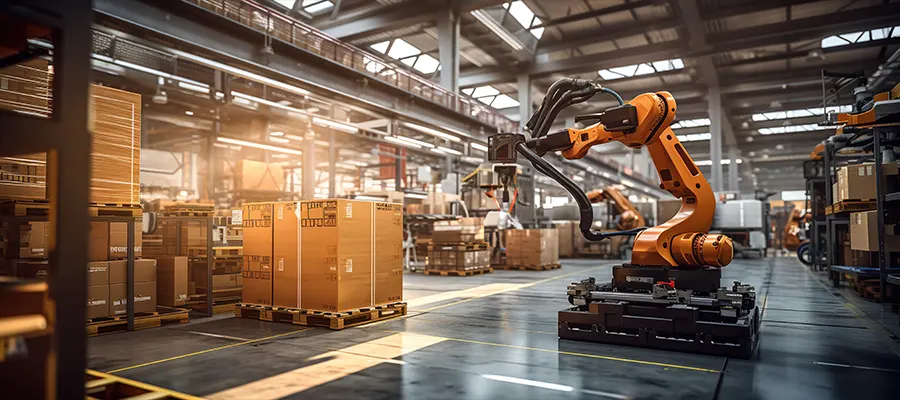
Mind-Blowing AI in Action: Industry Case Studies That Will Make Your Jaw Drop!
Alright, buckle up, because we’re about to take a whirlwind tour through the incredible ways Artificial Intelligence (AI) isn’t just a futuristic buzzword – it’s actively reshaping industries right now, in ways that might just make your jaw drop. Forget the theoretical talk for a moment; we’re diving into real-world case studies, the nitty-gritty of how AI is being deployed to solve complex problems, boost efficiency, and unlock entirely new possibilities. Trust me, the sheer ingenuity and impact of AI across various sectors are nothing short of mind-blowing!
The AI Revolution is Real: Witnessing the Transformation Across Sectors
We hear a lot about the potential of AI, but it’s easy to get lost in the abstract. So, let’s ground this discussion with some concrete examples. From the way doctors diagnose diseases to how factories manufacture goods, from how financial institutions detect fraud to how farmers grow our food, AI is no longer a concept confined to research labs – it’s a tangible force driving real change across a vast spectrum of industries. It’s like watching a seed you planted years ago suddenly blossom into a magnificent, fruit-bearing tree.
Beyond the Hype: Concrete Examples of AI Making a Tangible Impact
We’re not just talking about incremental improvements here. In many cases, AI is enabling breakthroughs that were previously unimaginable. It’s allowing us to tackle challenges with a level of precision, speed, and scale that human capabilities alone simply couldn’t achieve. So, let’s get into the specifics and explore some of these awe-inspiring applications.
AI in Healthcare: From Diagnosis to Personalized Treatment
The healthcare industry is undergoing a profound transformation thanks to the power of AI. It’s like having a super-intelligent assistant for doctors and researchers, helping them unravel the complexities of the human body and disease.
AI-Powered Diagnostics: Spotting Diseases Earlier and More Accurately
Imagine AI algorithms analyzing medical images like X-rays, MRIs, and CT scans with superhuman accuracy, detecting subtle signs of diseases like cancer in their early stages, often before human eyes can spot them. Companies are developing AI-powered tools that can analyze pathology slides to identify cancerous cells with remarkable precision. This means earlier diagnosis, leading to more effective treatment and improved patient outcomes. It’s like having a highly trained specialist available 24/7 to scrutinize every single image.
Personalized Medicine: Tailoring Treatments to Individual Needs
AI is also paving the way for personalized medicine, where treatments are tailored to the unique genetic makeup, lifestyle, and medical history of each patient. AI algorithms can analyze vast amounts of patient data to predict how individuals will respond to different therapies, allowing doctors to choose the most effective treatment options with greater confidence. It’s like having a bespoke treatment plan designed specifically for your individual needs.
Robotic Surgery and Assistance: Enhancing Precision and Efficiency in the Operating Room
While fully autonomous robotic surgeons might still be a ways off, AI-powered robots are already assisting surgeons in complex procedures, providing enhanced precision, stability, and control. AI algorithms can also analyze real-time surgical data to provide surgeons with valuable insights and guidance during operations. It’s like giving a skilled surgeon an extra set of incredibly steady and precise hands.
AI in Manufacturing: The Rise of Smart Factories
The manufacturing sector is embracing AI to create “smart factories” that are more efficient, productive, and safer. It’s like upgrading a traditional assembly line into a highly intelligent and self-optimizing system.
Predictive Maintenance: Preventing Downtime Before It Happens
Imagine AI algorithms constantly monitoring the performance of machinery and predicting when a breakdown is likely to occur. This allows manufacturers to perform maintenance proactively, preventing costly downtime and ensuring smooth operations. It’s like having a crystal ball that tells you when your car needs servicing before it actually breaks down on the highway.
Quality Control and Inspection: Ensuring Perfection on the Assembly Line
AI-powered computer vision systems are being deployed on assembly lines to inspect products with incredible speed and accuracy, identifying even the slightest defects that human inspectors might miss. This leads to higher quality products and reduced waste. It’s like having a tireless quality control expert with superhuman vision scrutinizing every single item.
Optimized Production and Supply Chains: Boosting Efficiency and Reducing Waste
AI algorithms are also being used to optimize production schedules, manage inventory levels, and streamline supply chains, ensuring that the right materials are in the right place at the right time, minimizing delays and reducing waste. It’s like having a super-efficient logistics coordinator managing the entire flow of goods.
AI in Finance: Smarter Money, Safer Transactions
The financial industry is leveraging AI to make smarter decisions, detect fraud, and provide more personalized services. It’s like having a team of highly intelligent financial analysts working tirelessly behind the scenes.
Fraud Detection and Prevention: Guarding Your Hard-Earned Cash
AI algorithms are incredibly adept at analyzing vast amounts of financial transaction data to identify patterns and anomalies that might indicate fraudulent activity. This helps banks and credit card companies protect their customers from financial losses. It’s like having a highly sophisticated security system constantly monitoring your accounts for suspicious behavior.
Algorithmic Trading: Making Split-Second Investment Decisions
In the world of high-frequency trading, AI algorithms can make investment decisions in milliseconds, based on complex market data and sophisticated models. While this raises some ethical questions, it demonstrates the speed and analytical power of AI in financial markets. It’s like having a super-fast and data-driven investor making trades on your behalf.
Personalized Financial Advice: Guiding You Towards Your Financial Goals
AI-powered financial advisors and chatbots are emerging, offering personalized financial advice based on an individual’s income, expenses, and financial goals. These tools can help people make smarter decisions about budgeting, saving, and investing. It’s like having an affordable and accessible financial planner available 24/7.
AI in Retail: The Personalized Shopping Experience
The retail industry is using AI to understand customer preferences better, personalize the shopping experience, and optimize operations. It’s like having a super-attentive salesperson who knows exactly what you’re looking for.
Recommendation Engines: Predicting What You’ll Want Before You Even Know It
Remember those eerily accurate product recommendations you get on e-commerce websites? That’s AI at work, analyzing your browsing history, purchase data, and the behavior of other users to predict what you might be interested in buying next. It’s like having a personal shopper who anticipates your needs.
Chatbots and Virtual Assistants: Providing Instant Customer Support
AI-powered chatbots and virtual assistants are becoming increasingly common on retail websites and apps, providing instant answers to customer queries, guiding them through the purchasing process, and resolving issues efficiently. It’s like having a tireless customer service representative available around the clock.
Inventory Management and Demand Forecasting: Ensuring the Right Products Are in the Right Place at the Right Time
AI algorithms are helping retailers optimize their inventory levels, predict future demand for products, and ensure that the right products are stocked in the right quantities at the right locations, minimizing stockouts and reducing waste. It’s like having a super-efficient supply chain manager for the entire retail operation.
AI in Transportation: The Road to Autonomous Vehicles and Smarter Logistics
The transportation industry is on the cusp of a major transformation thanks to AI, with the promise of autonomous vehicles and more efficient logistics. It’s like reimagining how we move people and goods.
Self-Driving Cars and Trucks: The Future of Mobility is Here (Almost!)
While fully autonomous vehicles are still under development, AI is already powering advanced driver-assistance systems (ADAS) in modern cars, such as lane departure warning, adaptive cruise control, and automatic emergency braking. The eventual arrival of fully self-driving cars and trucks promises to revolutionize transportation, potentially leading to increased safety, reduced congestion, and new mobility options. It’s like handing over the driving responsibilities to a super-attentive and never-tiring AI co-pilot.
Optimized Traffic Management: Reducing Congestion and Improving Efficiency
AI algorithms are being used to analyze traffic patterns in real-time, optimize traffic light timings, and even predict and manage congestion, leading to smoother and more efficient traffic flow in urban areas. It’s like having a smart traffic controller managing the flow of vehicles to minimize gridlock.
Smarter Logistics and Delivery: Getting Goods Where They Need to Be, Faster
AI is also optimizing logistics and delivery services, helping companies plan the most efficient routes, predict delivery times more accurately, and even utilize drones and robots for last-mile delivery. It’s like having a super-efficient delivery coordinator for the entire supply chain.
AI in Agriculture: Farming Smarter, Not Harder
The agriculture industry is increasingly turning to AI to improve efficiency, increase yields, and promote sustainability. It’s like giving farmers a set of high-tech tools to manage their crops and livestock more effectively.
Precision Agriculture: Optimizing Resource Usage for Higher Yields
AI-powered sensors, drones, and satellite imagery are being used to collect data on soil conditions, weather patterns, and crop health, allowing farmers to optimize the use of water, fertilizers, and pesticides, leading to higher yields and reduced environmental impact. It’s like giving farmers a detailed, real-time map of their fields and the precise needs of their crops.
Disease and Pest Detection: Protecting Crops and Ensuring Food Security
AI algorithms can analyze images of crops to detect diseases and pests early on, allowing farmers to take targeted action before they cause widespread damage, ensuring food security and reducing the need for broad-spectrum treatments. It’s like having an AI crop doctor constantly monitoring the health of the plants.
Autonomous Farming Equipment: The Rise of Robot Farmers
Autonomous tractors and other farming equipment, guided by AI, are beginning to automate tasks like planting, harvesting, and weeding, potentially leading to increased efficiency and reduced labor costs. It’s like having a team of tireless robot farmers working around the clock.
The Tip of the Iceberg: The Limitless Potential of AI Across Industries
These are just a few examples of the transformative power of AI across various industries. The truth is, we’re still in the early stages of this revolution, and the potential applications of AI are virtually limitless. As the technology continues to evolve and become more sophisticated, we can expect to see even more groundbreaking and mind-blowing applications emerge, reshaping the world around us in ways we can only begin to imagine. So, keep your eyes peeled – the AI revolution is just getting started!
FAQs:
- Is AI going to replace human workers in all these industries? That’s a major concern, and the reality is that AI will automate many tasks, leading to job displacement in some areas. However, it will also create new jobs that require uniquely human skills like creativity, critical thinking, and emotional intelligence. The key will be adaptation and reskilling. Think of it like previous technological revolutions – they changed the nature of work, but they also created new opportunities.
- Are there any ethical concerns associated with using AI in these industries? Absolutely. Issues like bias in algorithms (leading to unfair or discriminatory outcomes), data privacy concerns, and the potential for misuse of AI are critical considerations that need to be addressed thoughtfully and proactively as AI becomes more deeply integrated into various sectors. It’s like wielding a powerful tool – we need to ensure it’s used responsibly and ethically.
- How can businesses get started with implementing AI solutions? The first step is often identifying specific business problems that AI could potentially solve. Then, it involves gathering and preparing relevant data, exploring different AI approaches, and potentially partnering with AI experts or leveraging AI platforms and tools. It’s like starting any new project – you need to define your goals and gather the necessary resources.
- What are the key skills needed to work with AI in these industries? The specific skills vary depending on the industry and the role, but generally, a foundation in data science, machine learning, programming (especially Python), and domain-specific knowledge are often valuable. Strong analytical and problem-solving skills are also crucial. It’s like having a toolkit with a variety of specialized instruments.
- Where can I learn more about specific AI applications in different industries? There are numerous online resources, industry publications, research papers, and conferences that focus on the application of AI in specific sectors. Following industry news and exploring case studies from companies that are successfully implementing AI can provide valuable insights. It’s like staying updated on the latest developments in a field you’re interested in.